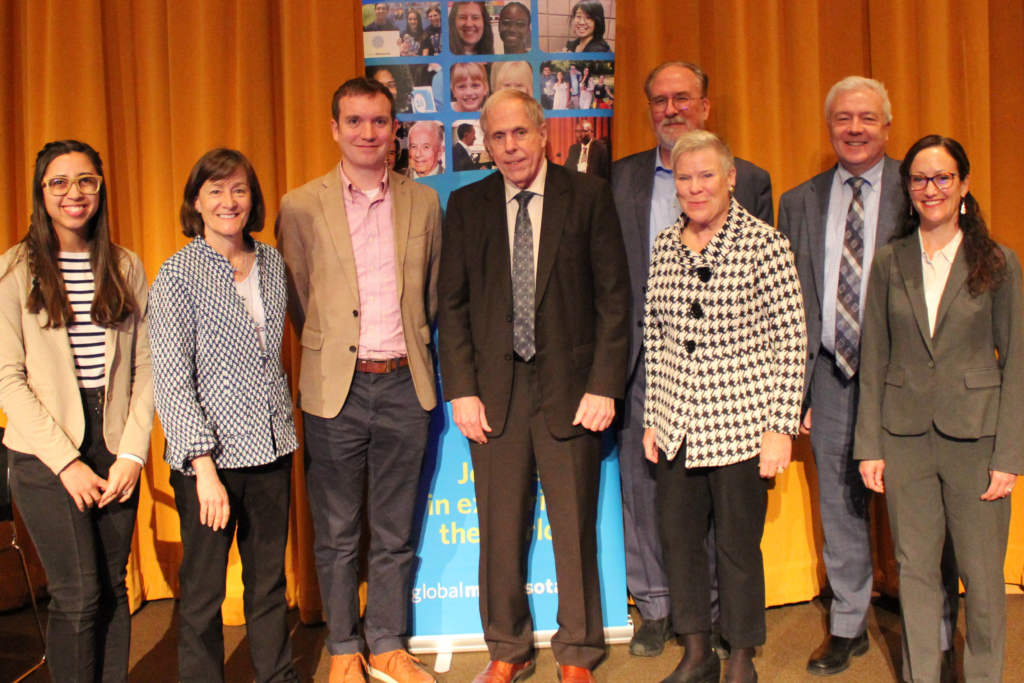
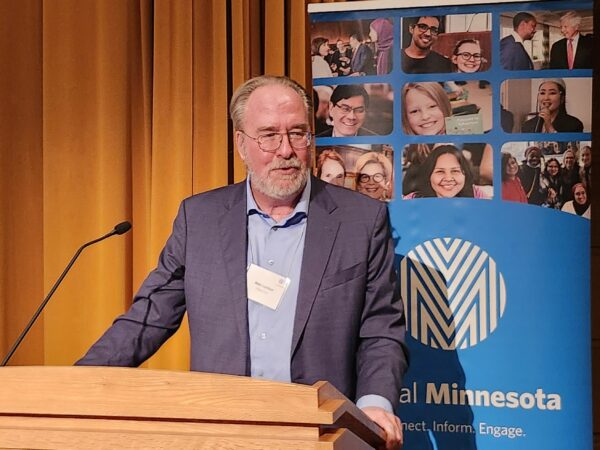
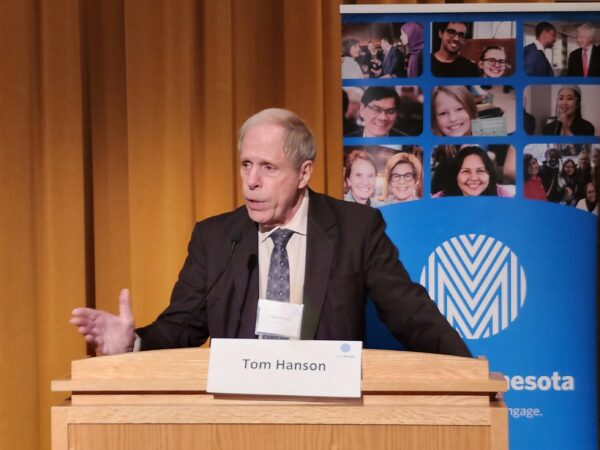
Amid rising global uncertainty including the expiration of the New START Treaty and the Non-Proliferation Treaty Summit in New York City later this month, more than 200 members, policy experts, students, and globally engaged Minnesotans gathered for Global Minnesota’s 2026 Great Decisions Conference on Ruptured Alliances and the Risk of Nuclear Proliferation. Held at the Humphrey School of Public Affairs, the conference opened with a clear-eyed primer from Great Decisions group leader and expert speaker Alan Carlson, grounding participants in the frameworks that have long governed nuclear weapons and the challenges now facing them.
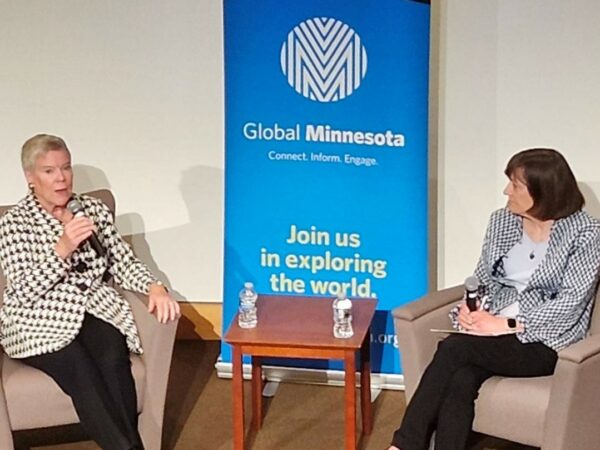
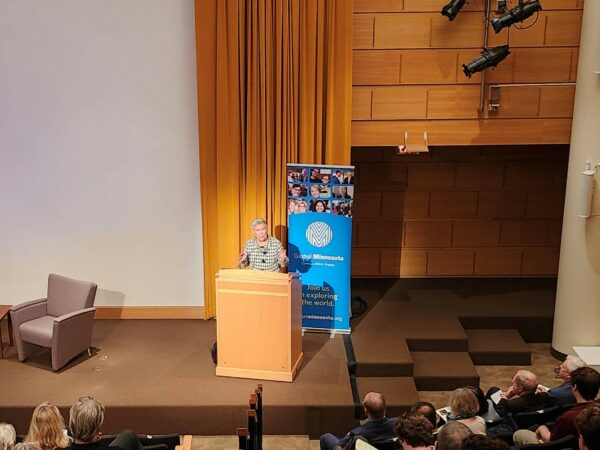
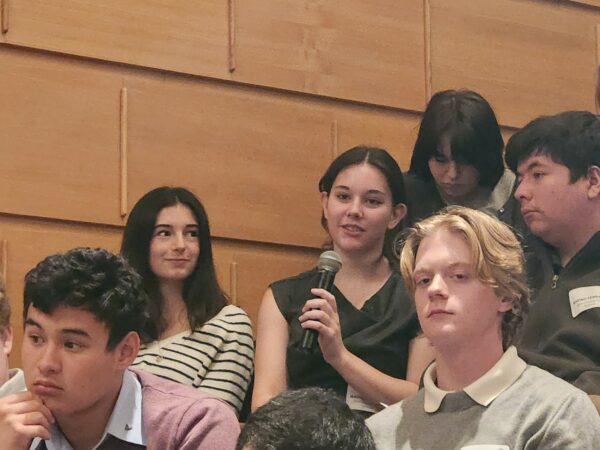
The conversation deepened with a keynote from former Under Secretary of State for Arms Control Rose Gottemoeller, who offered a compelling assessment of shifting U.S. relationships with allies and adversaries and the implications for global security. An engaged audience, including high school and college students, pressed further during a lively Q&A moderated by former Foreign Service Officer Margo Squire, exploring topics from deterrence strategy to the evolving realities of treaty negotiation in a fractured geopolitical landscape.
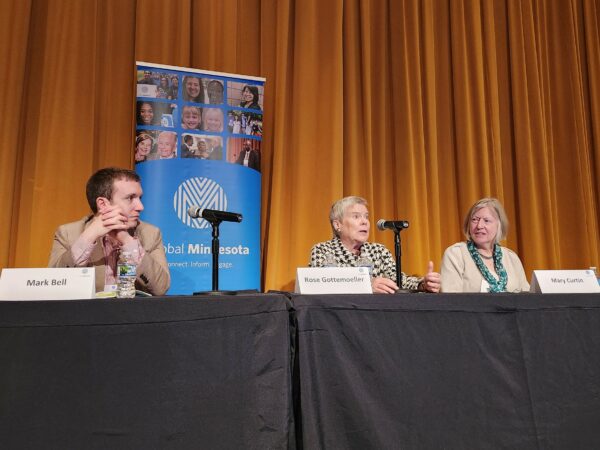
The program concluded with an expert panel examining how changing alliances, from East Asia to Iran and the broader Middle East, are reshaping nuclear risk. While panelists acknowledged the strain on longstanding agreements, they also pointed to a critical source of optimism: sustained public support in many countries for limiting nuclear expansion. That sentiment, they emphasized, underscores the enduring importance of informed, active citizen diplomacy and engagement.
At a moment when global security frameworks are being tested, the conference served as both a timely forum for understanding and a reminder that public awareness and participation remain essential to shaping a more stable and secure future. Learn how to join or start your own Great Decisions foreign policy discussion group by visiting our Great Decisions program page here.
Thank you to the Foreign Policy Association for sponsoring and to the Humphrey School of Public Affairs for their help with this event.